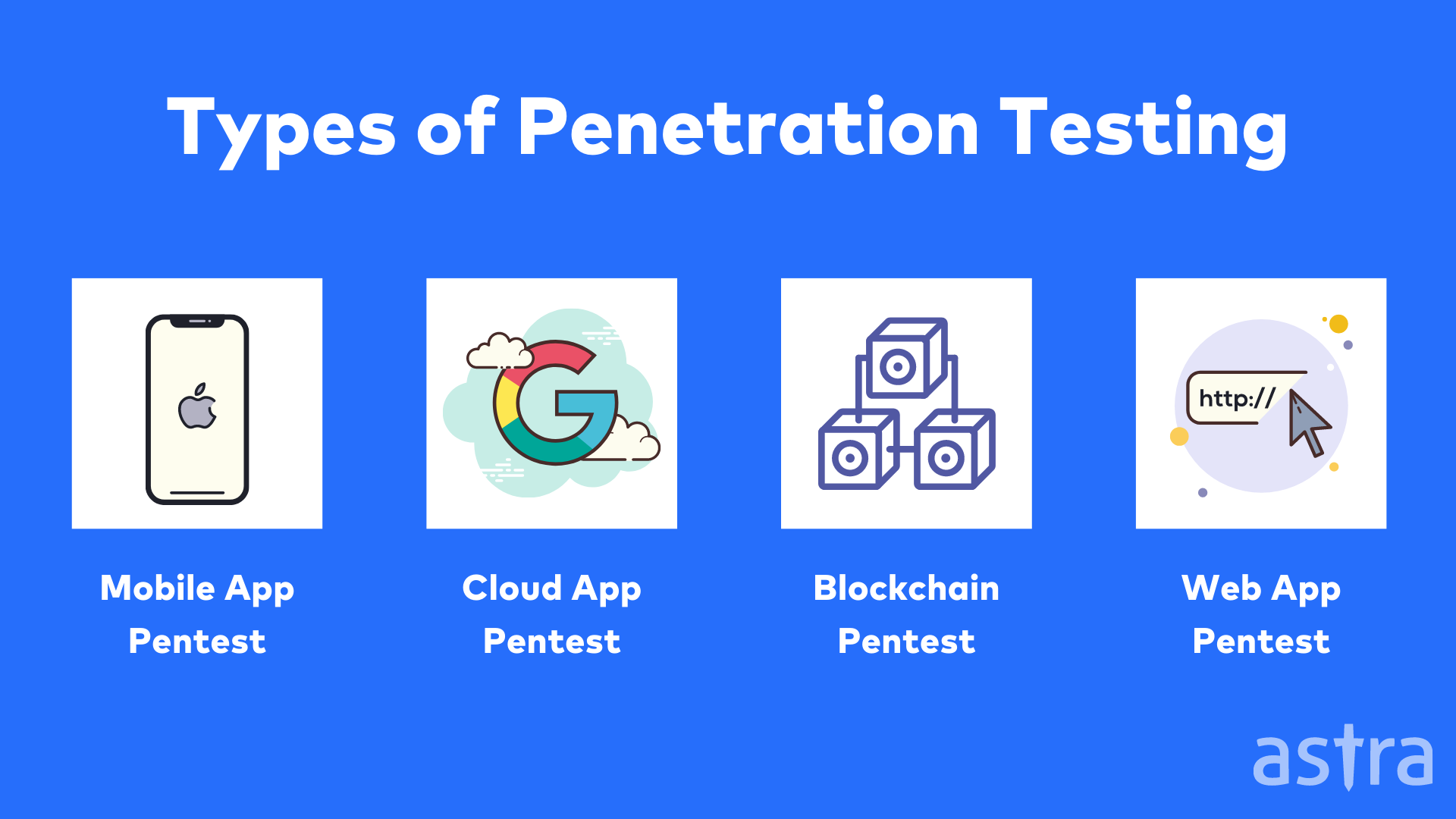
A comprehensive approach Symbolic Data Business Intelligence to pen testing is essential for optimal risk management. This entails testing all the areas in your environment.
Web apps. Testers examine the effectiveness of security controls and look for hidden vulnerabilities, attack patterns, and any other potential security gaps that can lead to a compromise of a web app.
Mobile apps. Using both automated and extended manual testing, testers look for vulnerabilities in application binaries running on the mobile device and the corresponding server-side functionality. Server-side vulnerabilities include session management, cryptographic issues, authentication and authorization issues, and other common web service vulnerabilities.
Networks. This testing identifies common to critical security vulnerabilities in an external network and systems. Experts employ a checklist that includes test cases for encrypted transport protocols, SSL certificate scoping issues, use of administrative services, and more.
Cloud. A cloud environment is significantly different than traditional on-premises environments. Typically, security responsibilities are shared between the organization using the environment and the cloud services provider. Because of this, cloud pen testing requires a set of specialized skills and experience to scrutinize the various aspects of the cloud, such as configurations, APIs, various databases, encryption, storage, and security controls.
Containers. Containers obtained from Docker often have vulnerabilities that can be exploited at scale. Misconfiguration is also a common risk associated with containers and their environment. Both of these risks can be uncovered with expert pen testing.
Embedded devices (IoT). Embedded / Internet of Things (IoT) devices such as medical devices, automobiles, in-home appliances, oil rig equipment, and watches have unique software testing requirements due to their longer life cycles, remote locations, power constraints, regulatory requirements, and more. Experts perform a thorough communication analysis along with a client/server analysis to identify defects that matter most to the relevant use case.
Mobile devices. Pen testers use both automated and manual analysis to find vulnerabilities in application binaries running on the mobile device and the corresponding server-side functionality. Vulnerabilities in application binaries can include authentication and authorization issues, client-side trust issues, misconfigured security controls, and cross-platform development framework issues. Server-side vulnerabilities can include session management, cryptographic issues, authentication and authorization issues, and other common web service vulnerabilities.
APIs. Both automated and manual testing techniques are used to cover the OWASP API Security Top 10 list. Some of the security risks and vulnerabilities testers look for include broken object level authorization, user authentication, excessive data exposure, lack of resources / rate limiting, and more.
CI/CD pipeline. Modern DevSecOps practices integrate automated and intelligent code scanning tools into the CI/CD pipeline. In addition to static tools that find known vulnerabilities, automated pen testing tools can be integrated into the CI/CD pipeline to mimic what a hacker can do to compromise the security of an application. Automated CI/CD pen testing can discover hidden vulnerabilities and attack patterns that go undetected with static code scanning.
 Site Title
Leave a comment